Bees, Bushes and Bird Boxes – creating a special space for nature to thrive
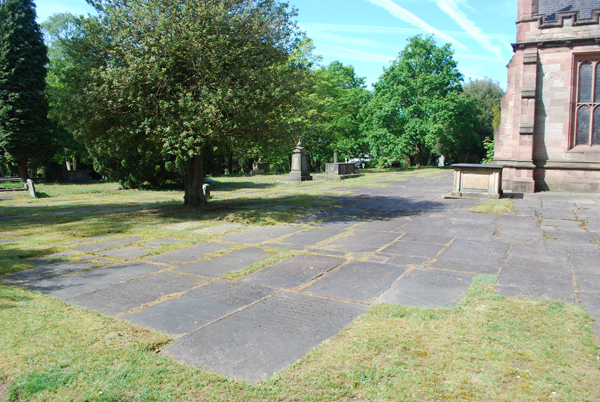
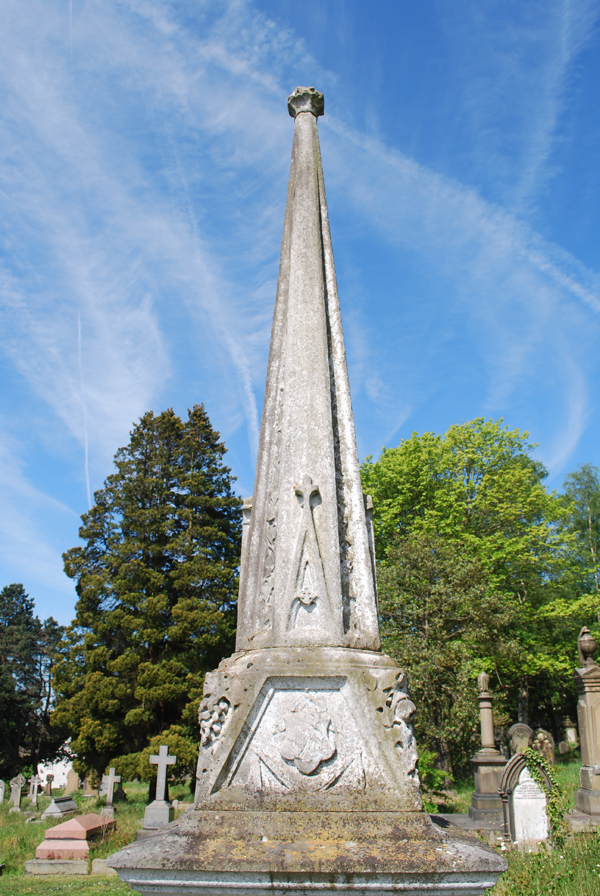
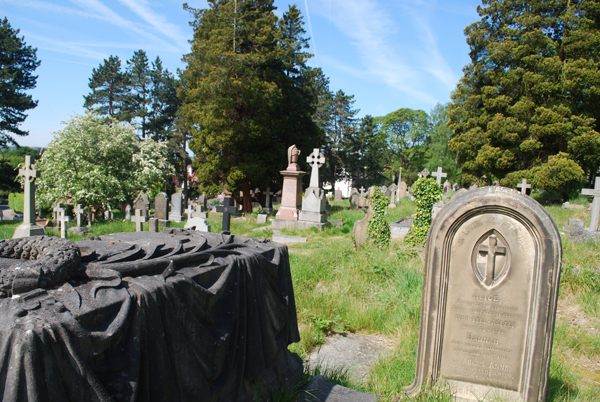
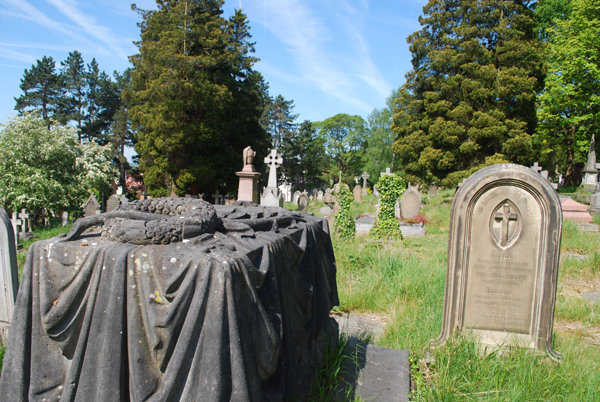
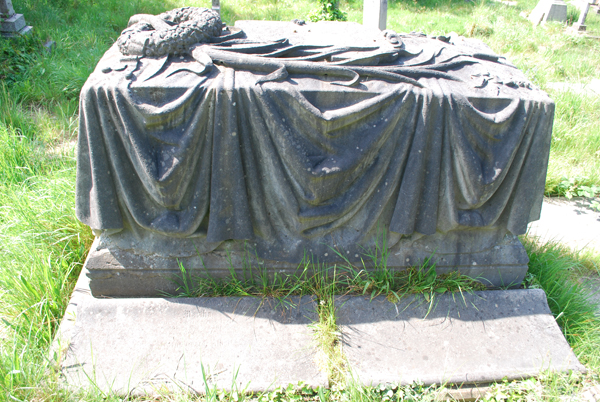
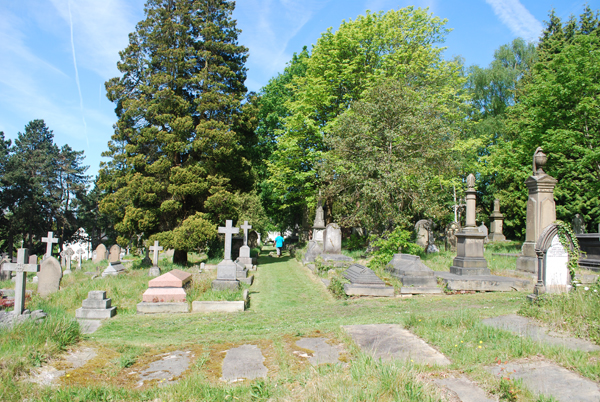
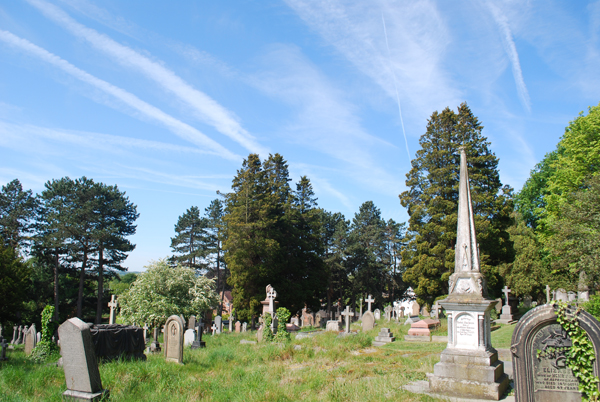
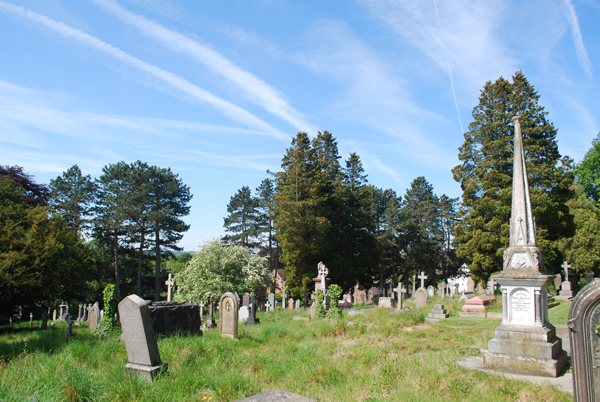
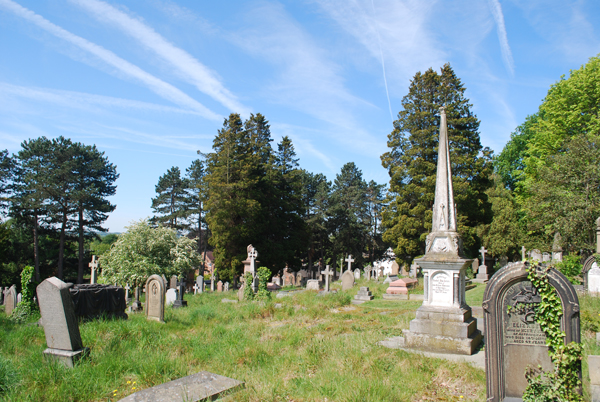
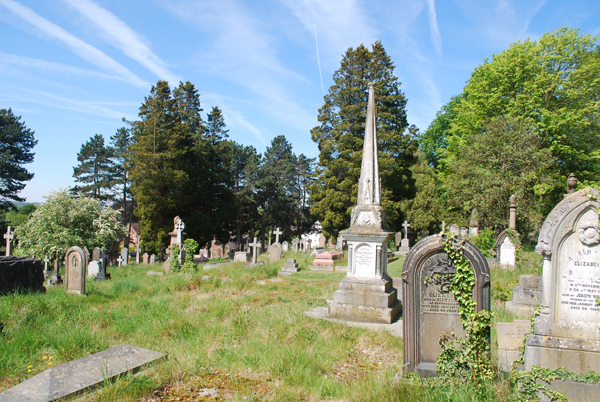
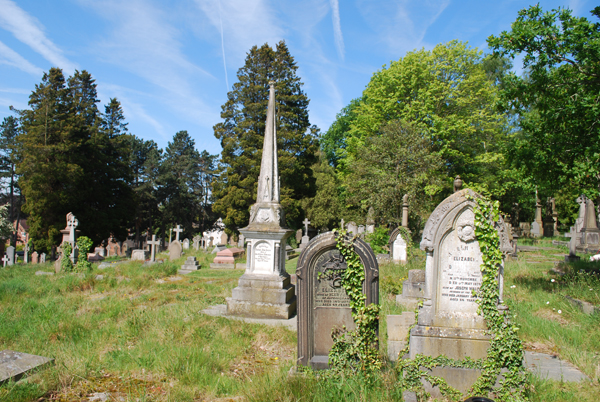
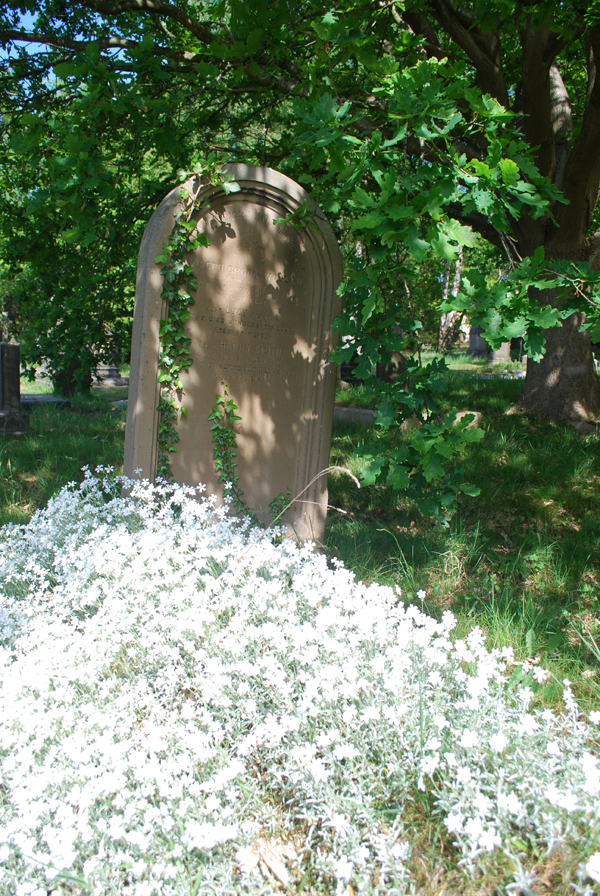
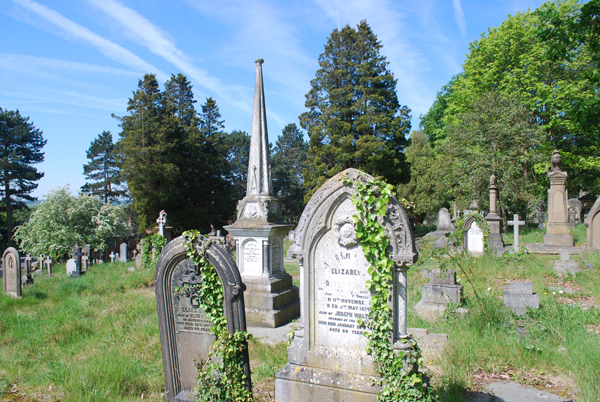
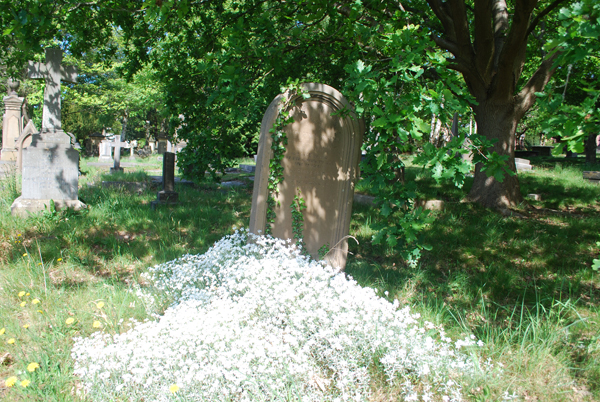
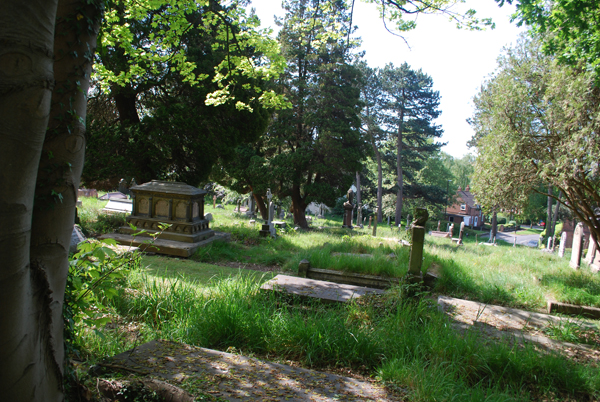
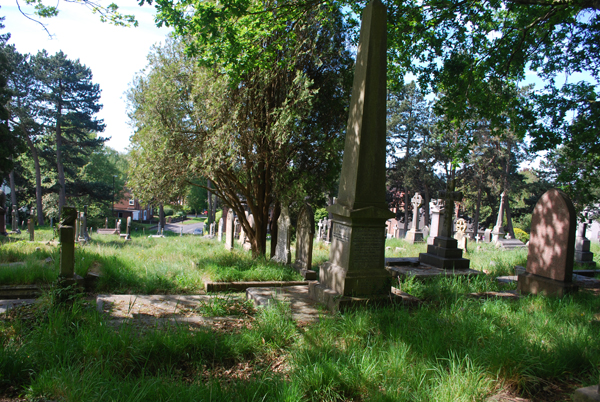
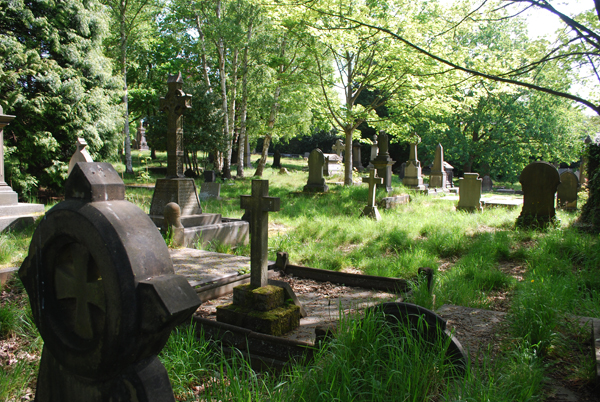
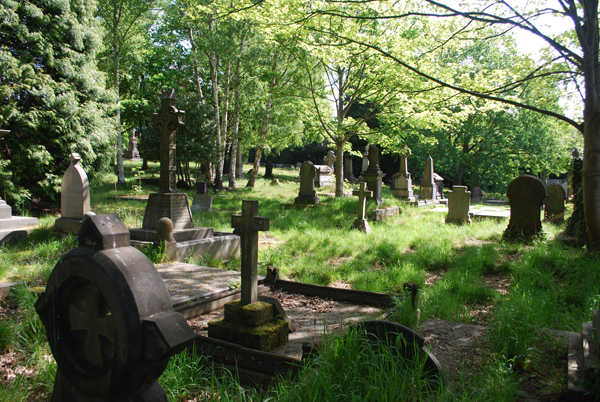
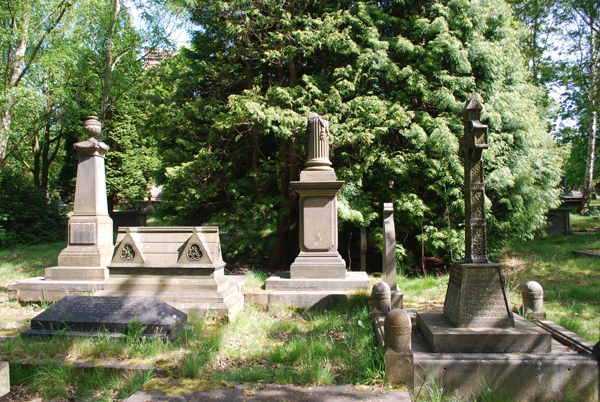
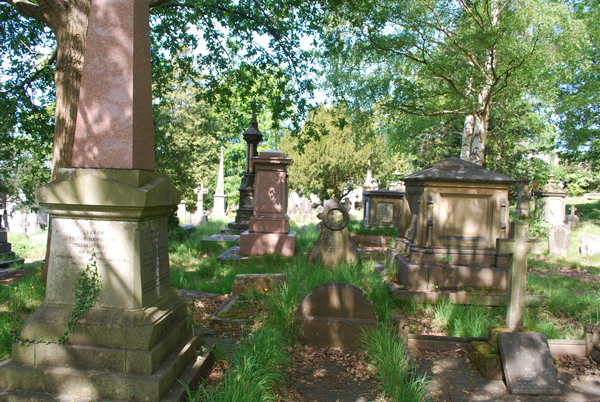
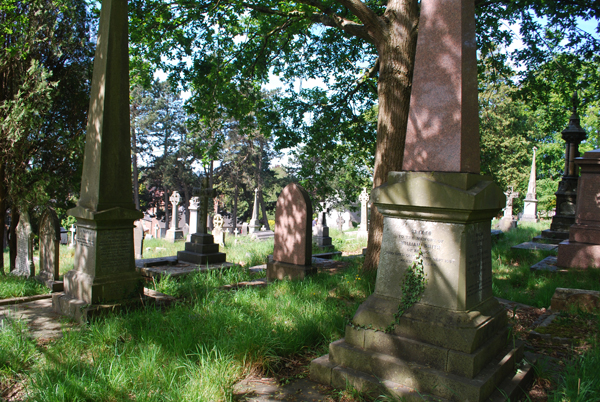
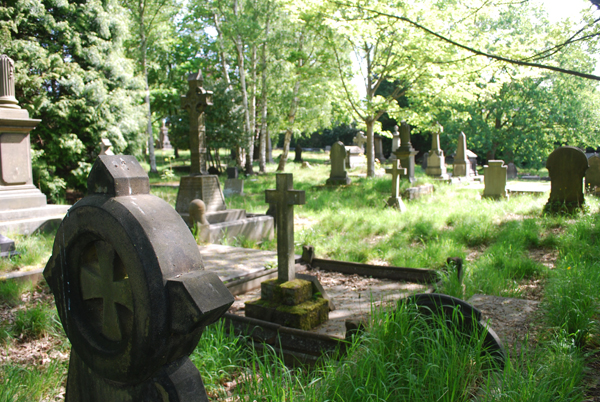
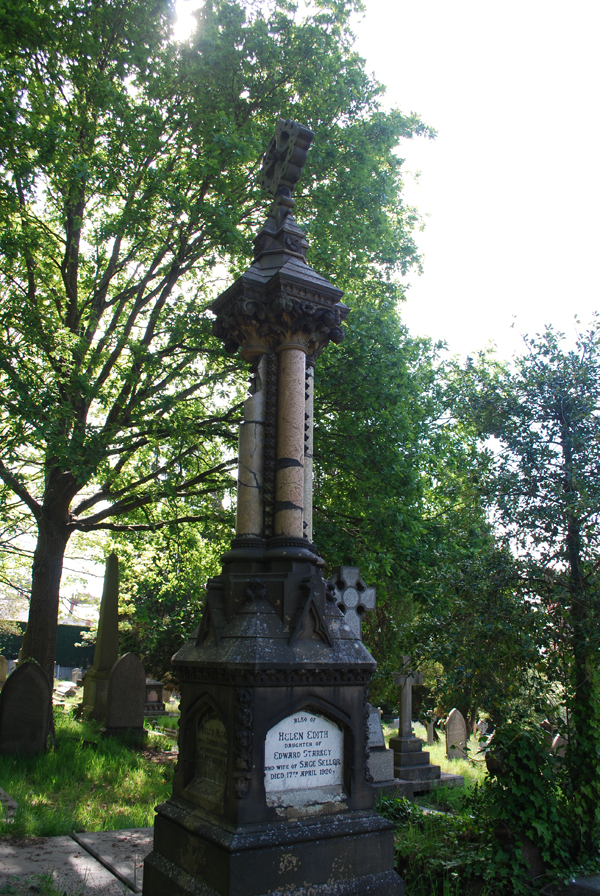
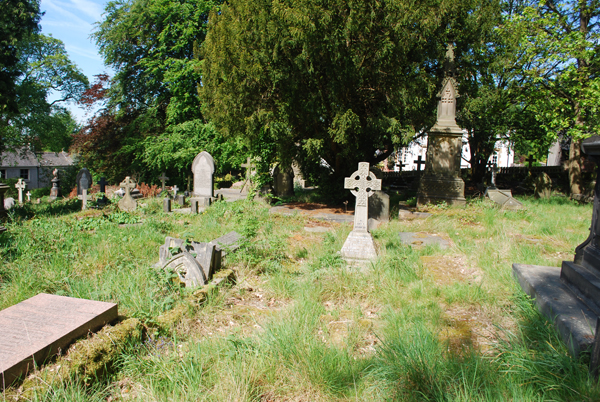
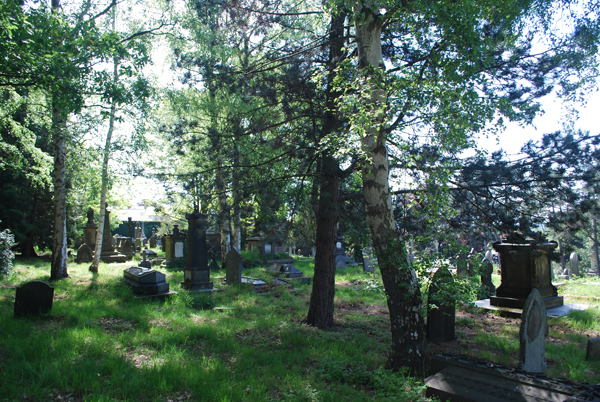
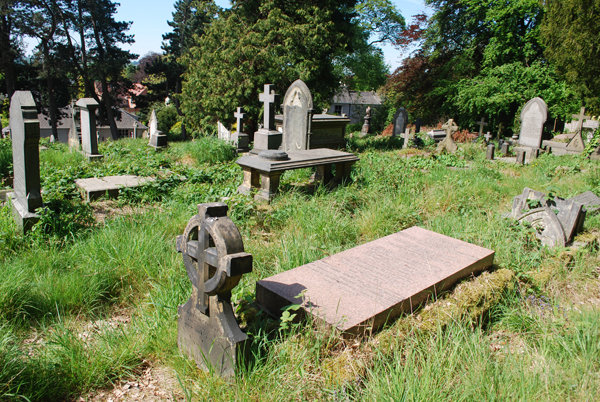
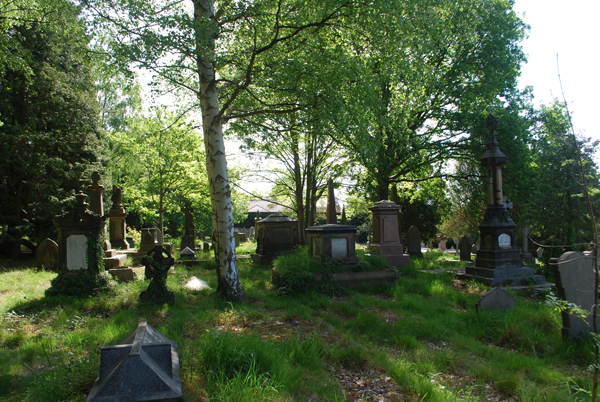
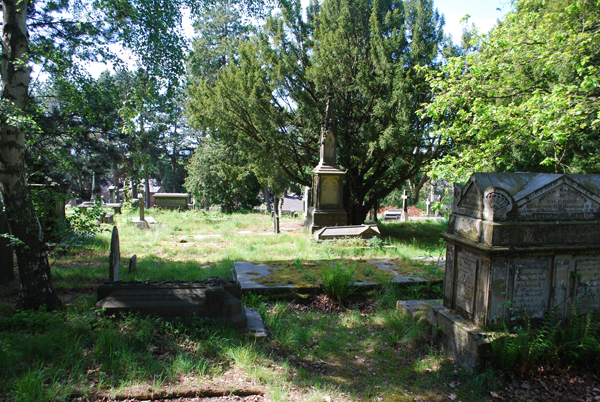
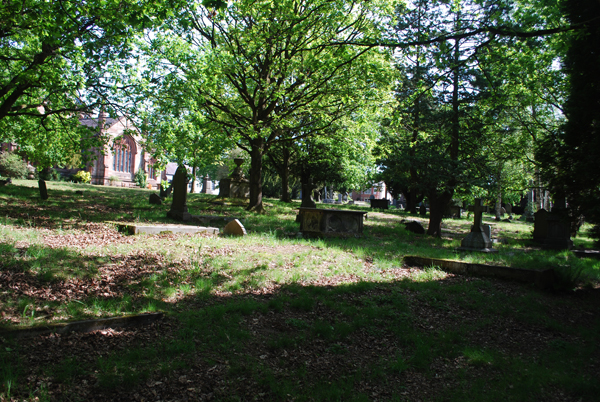
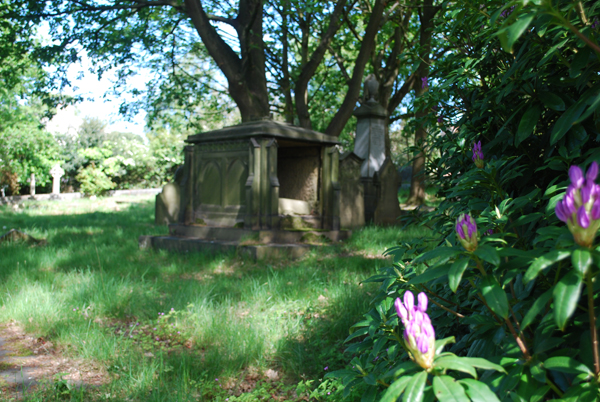
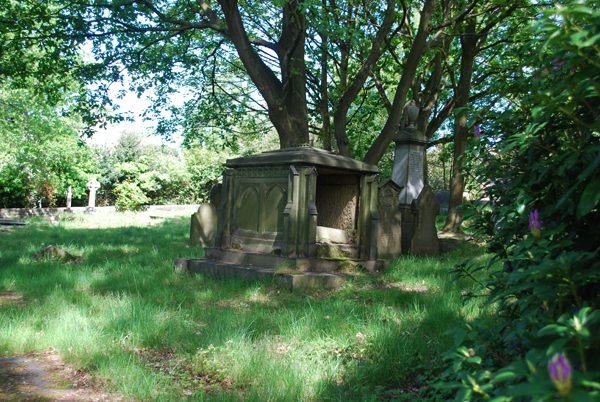
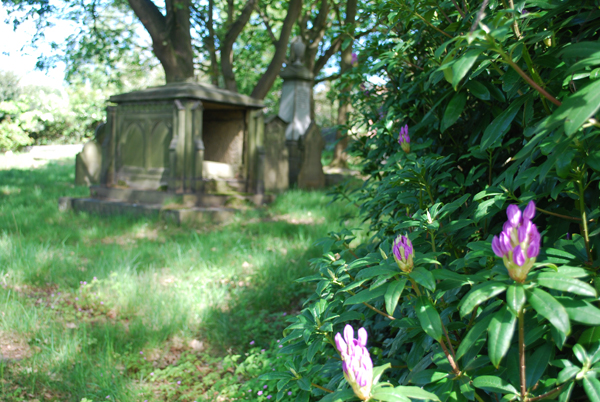
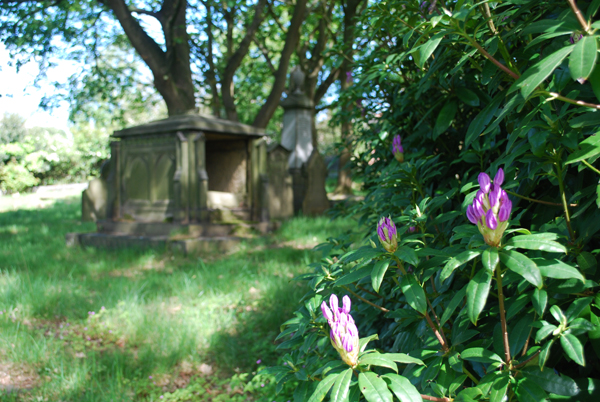
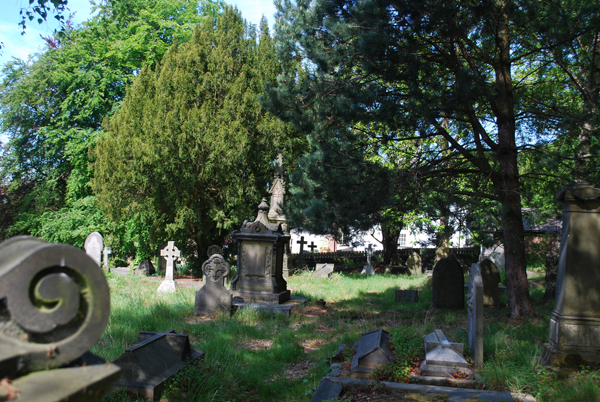
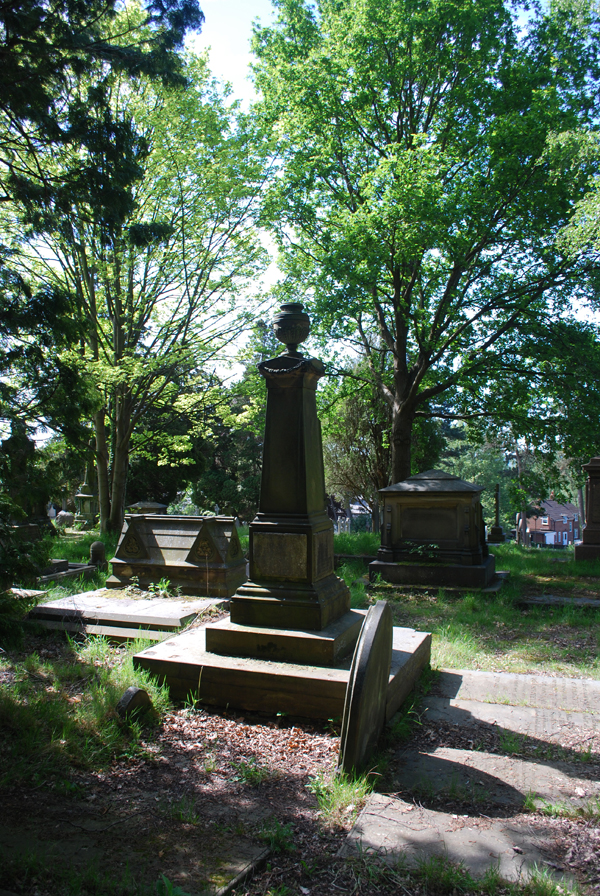
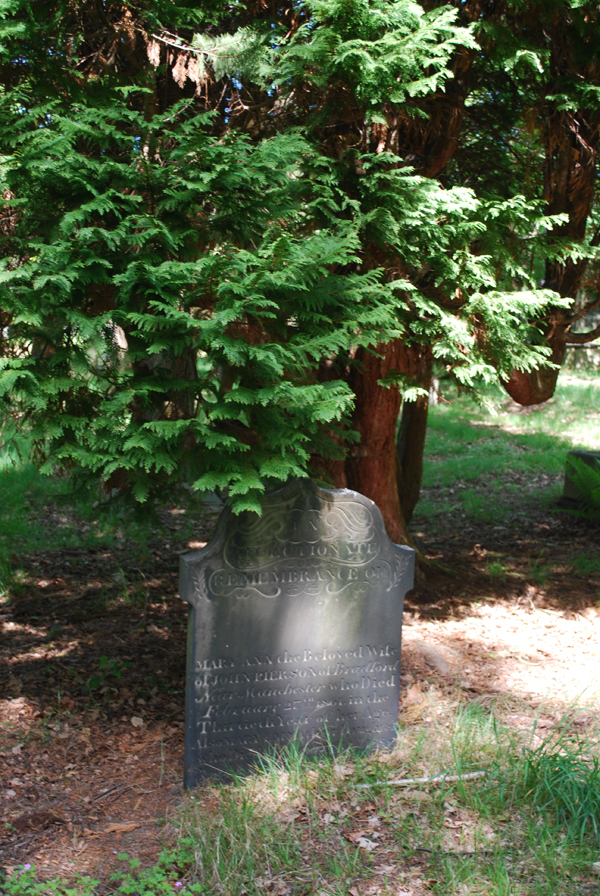
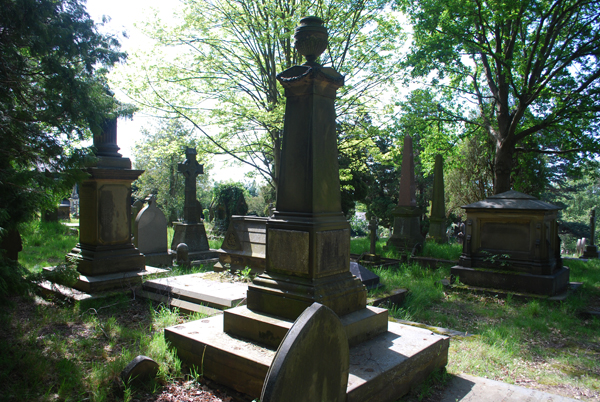
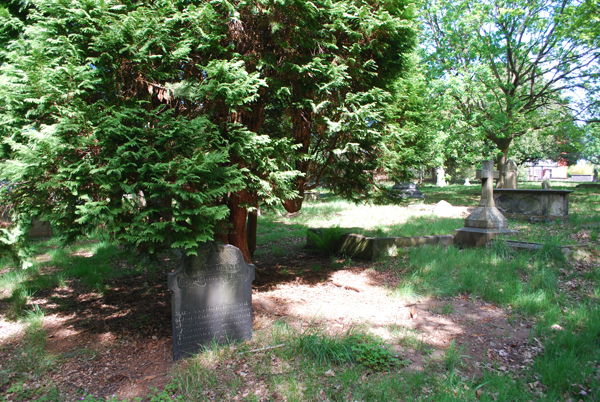
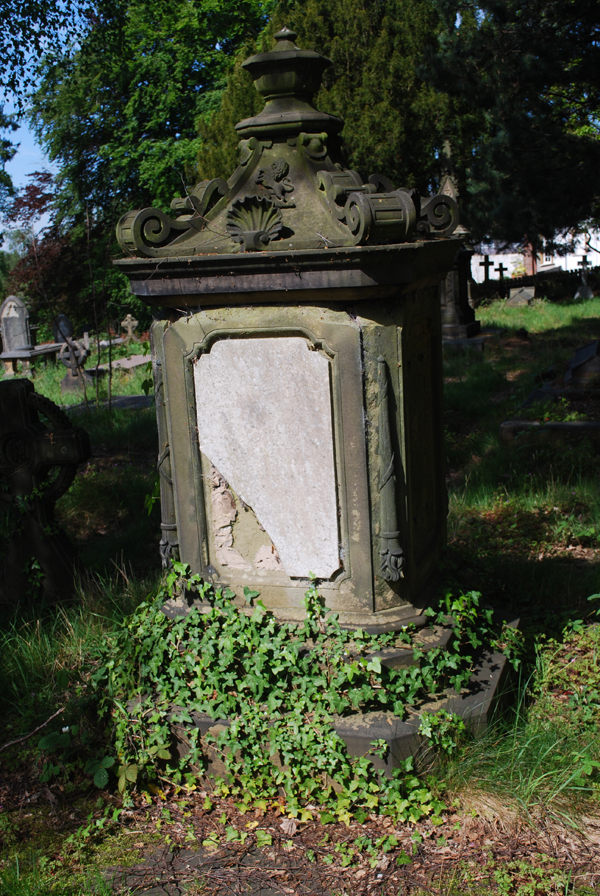
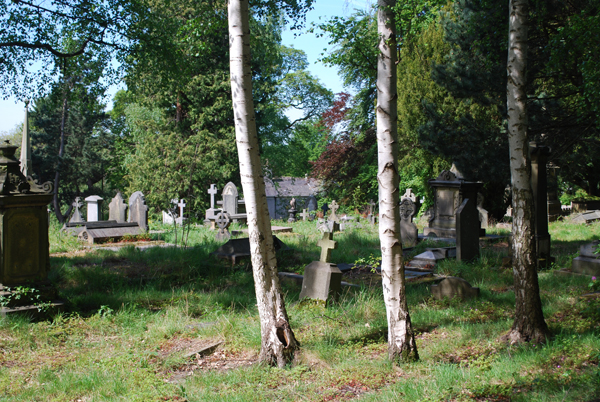
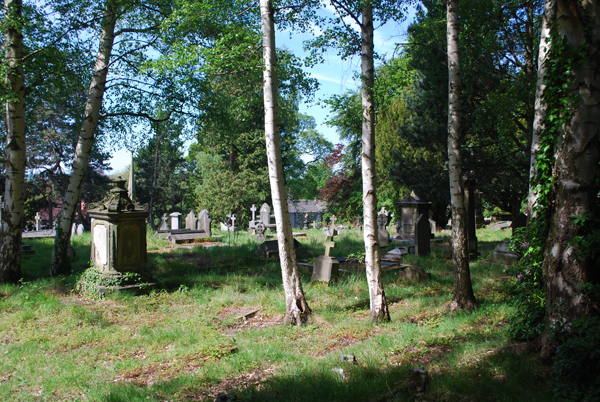
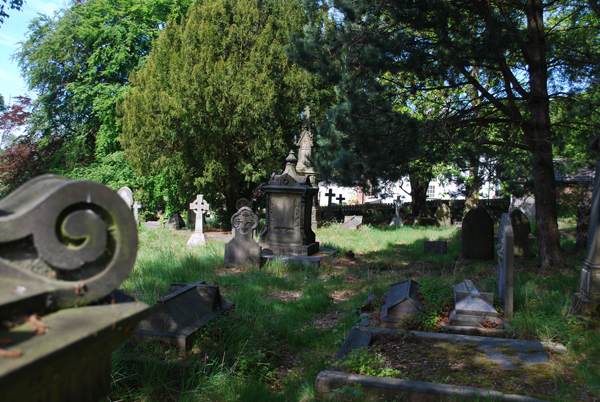
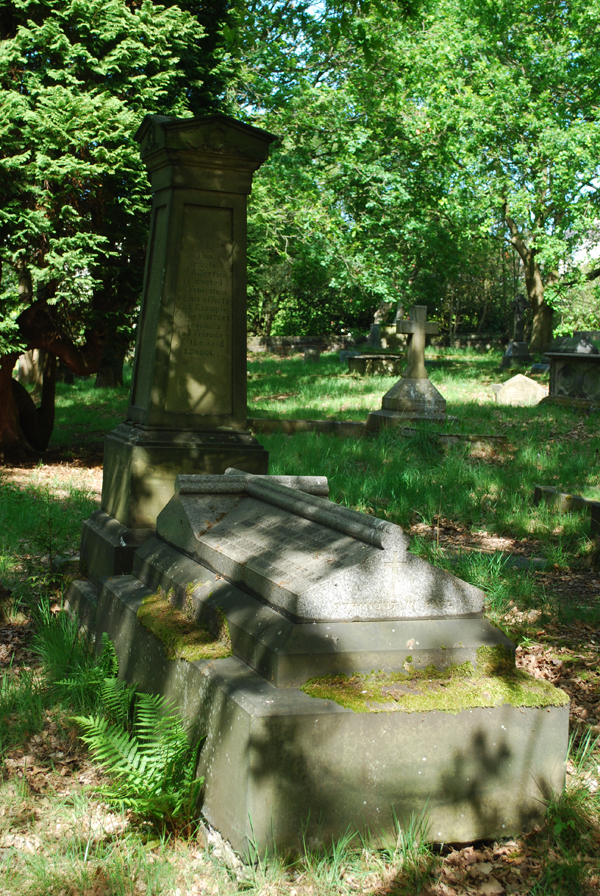
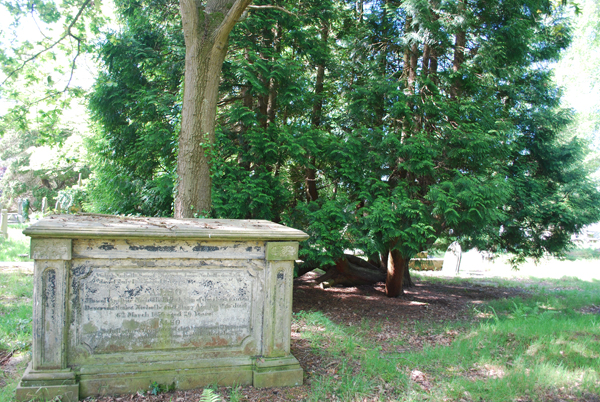
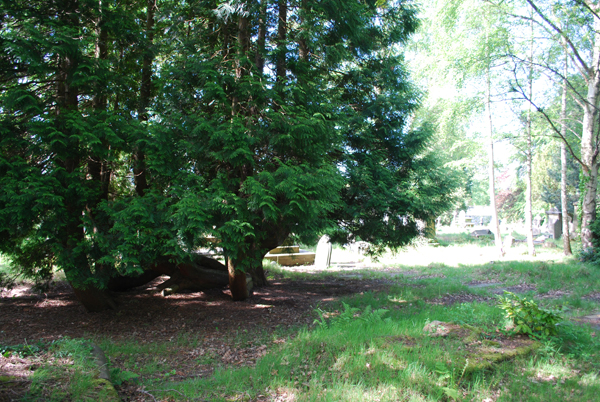
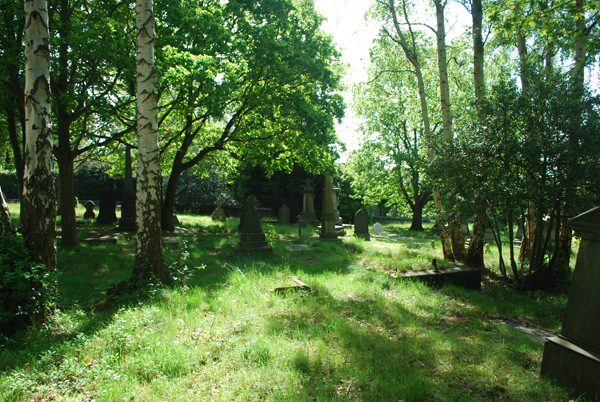
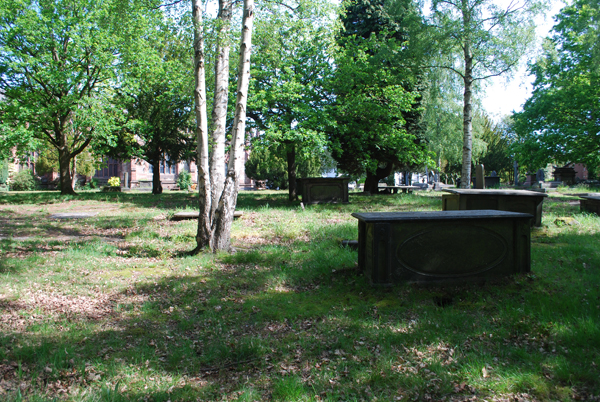
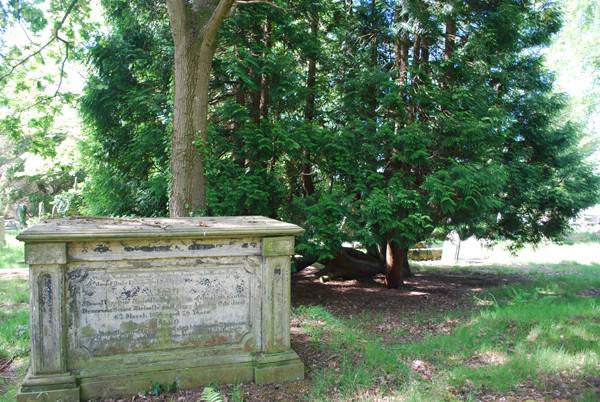
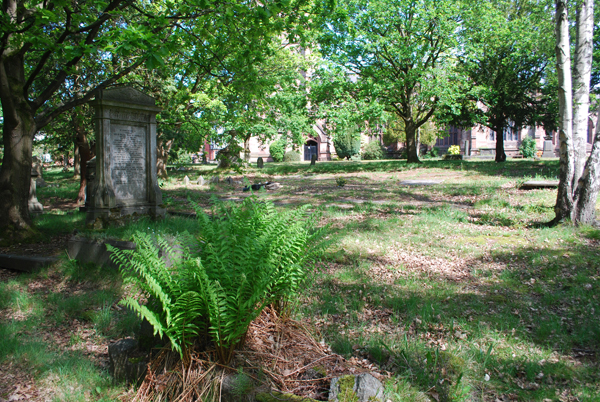
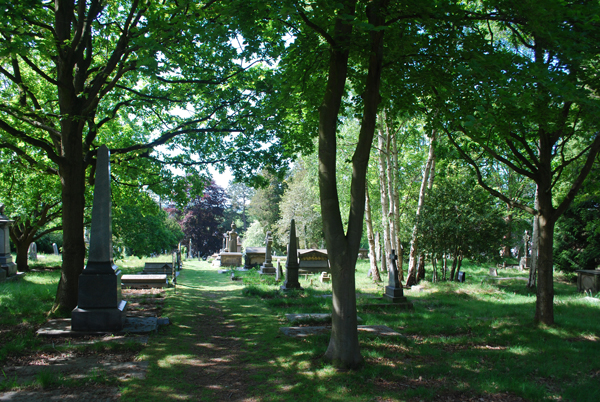
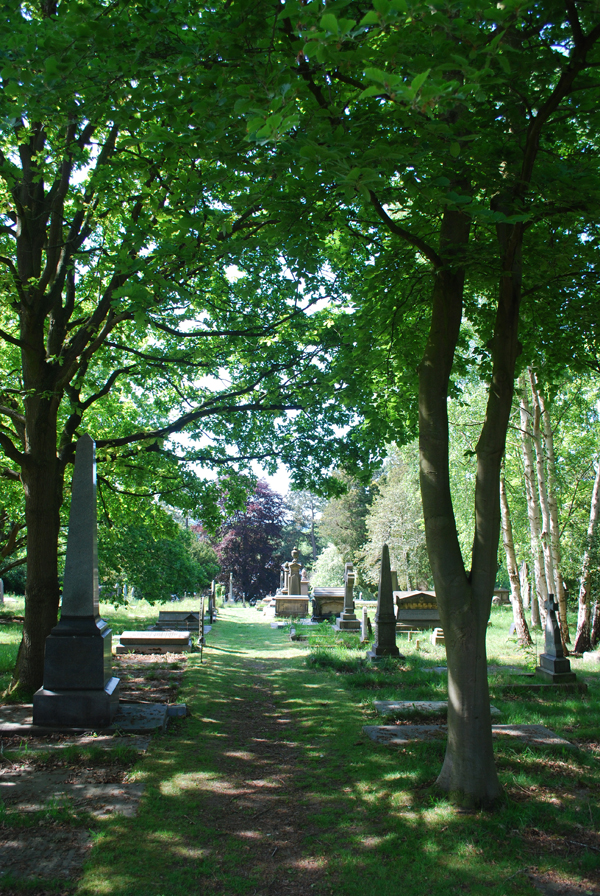
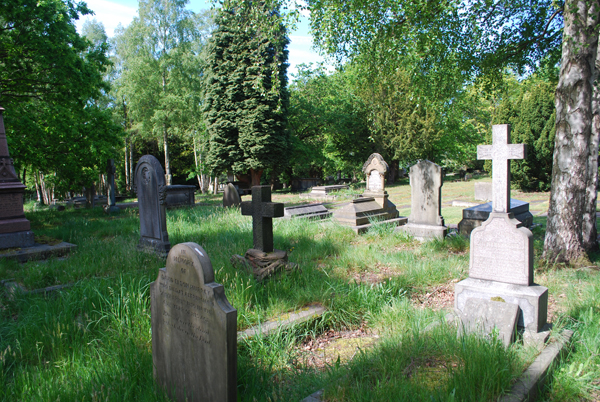
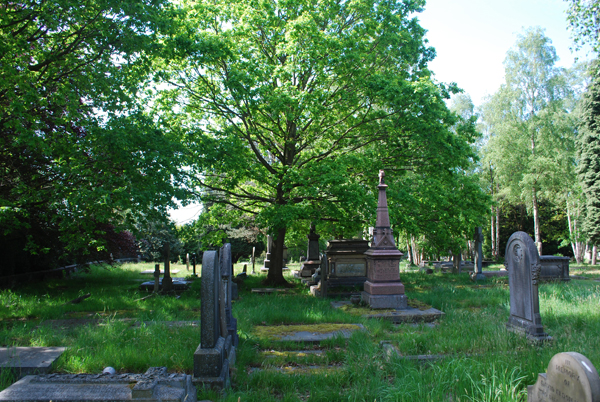
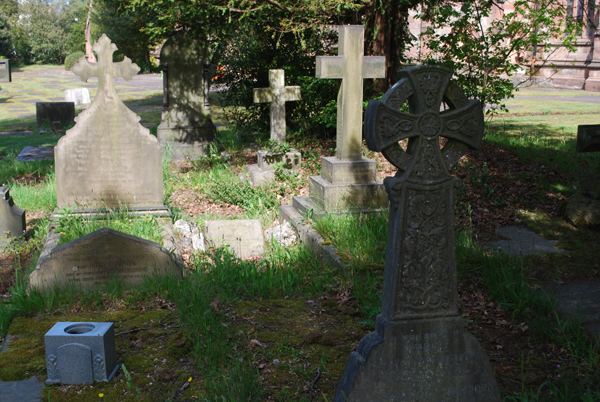
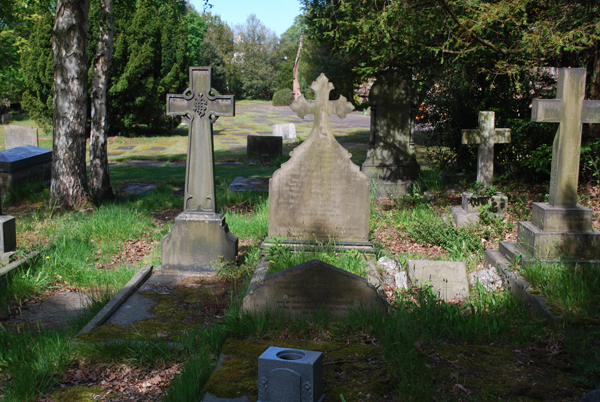
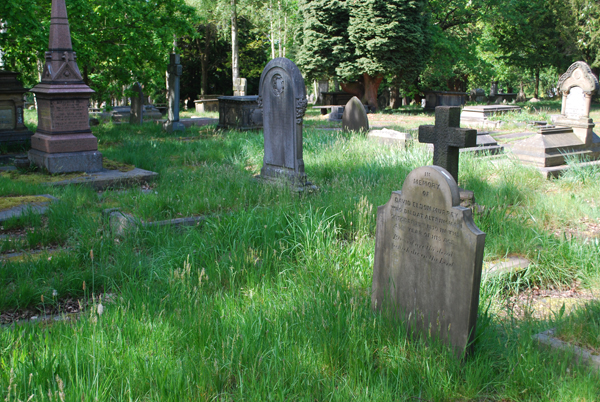
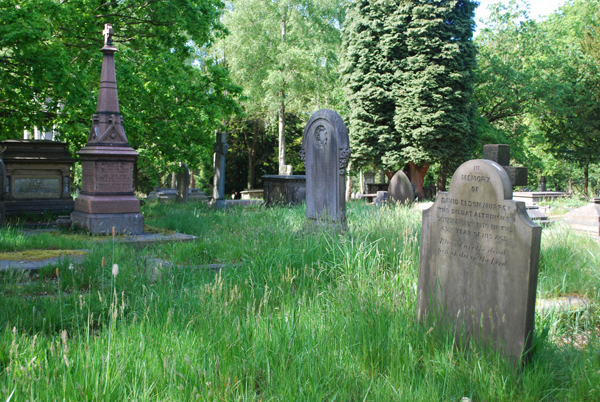
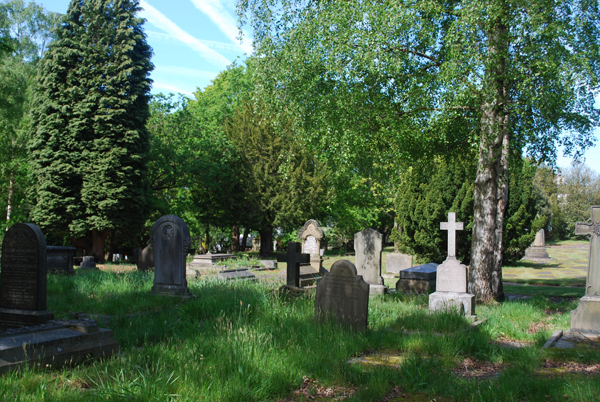
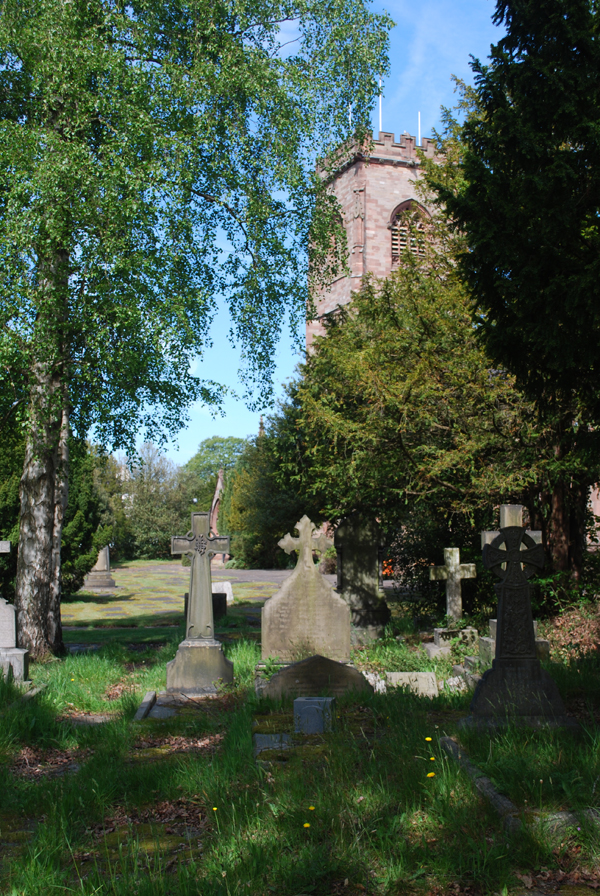
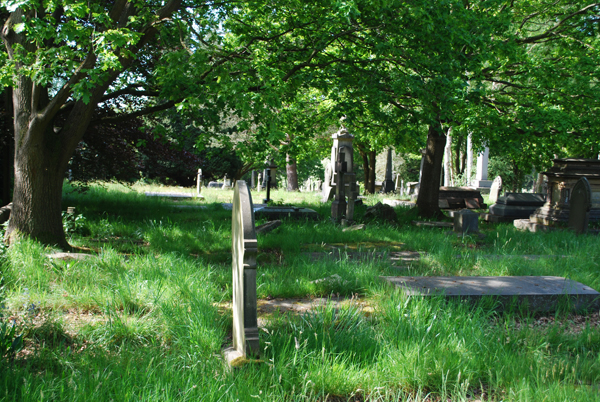
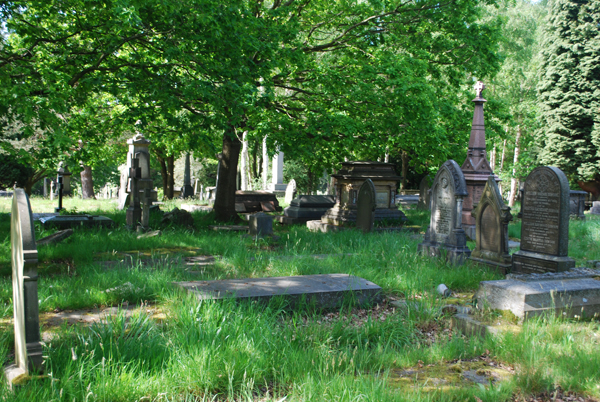
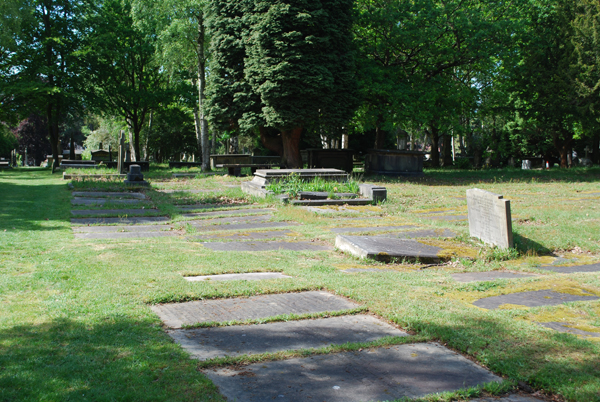
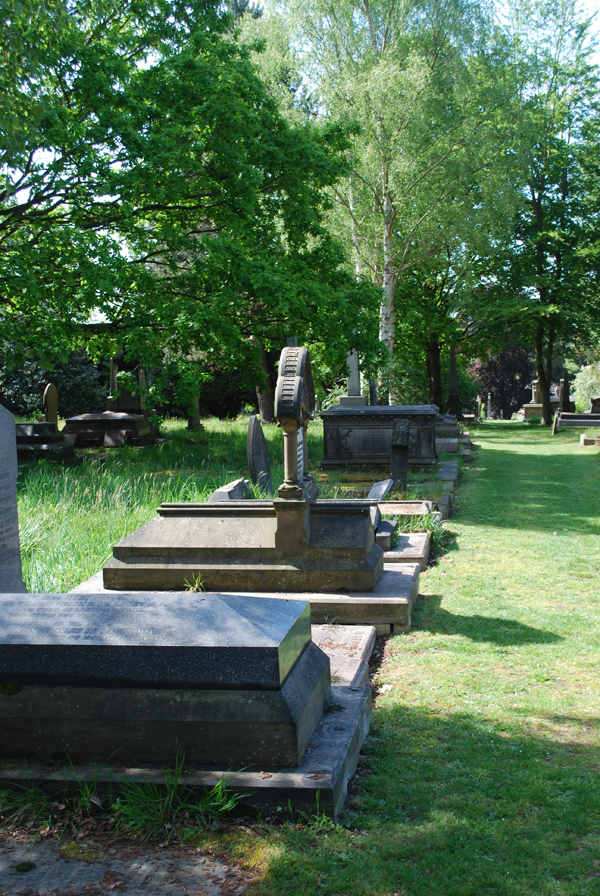
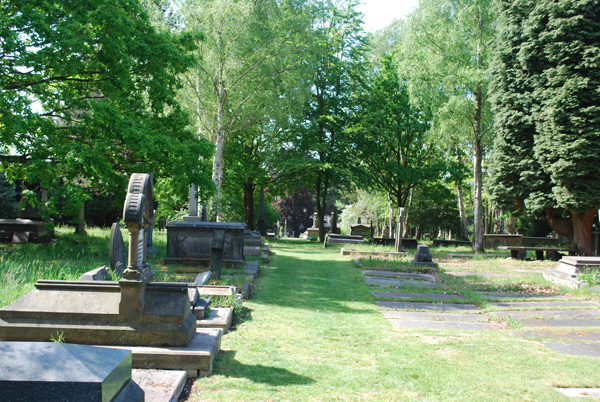
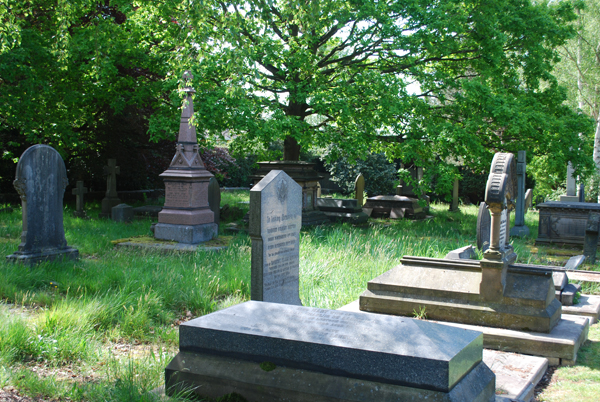
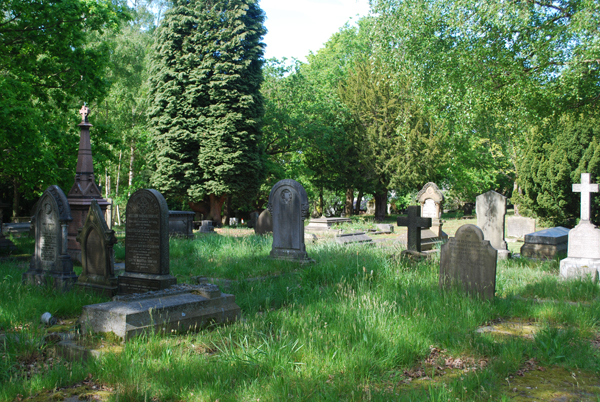
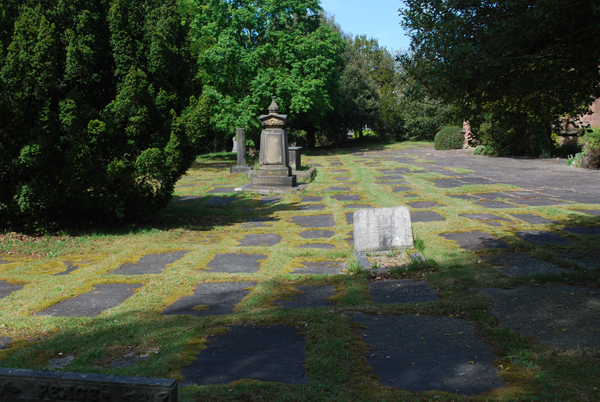
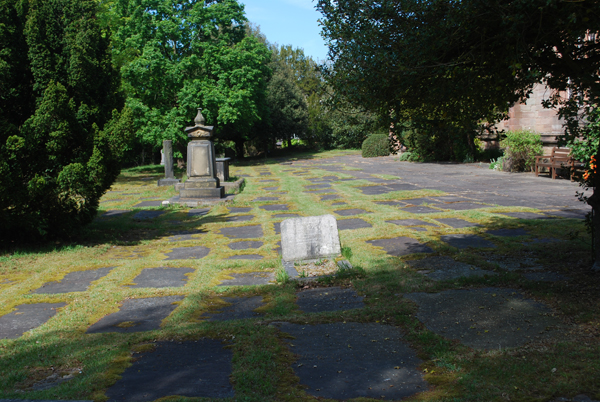
Our aim is to create a haven for wildlife. To allow nature to reclaim parts of the churchyard and to provide a suitable environment in which insects, birds, animals, flowers, trees etc can survive and grow as nature intended.
We will designate an area and remove unwanted vegetation that has grown and is strangling our indigenous species. Once cleared we will reseed with wild flowers and remove unwanted invaders should they reappear.
We will encourage bees, the symbol of Manchester, to make their home in the churchyard and to aid in its rejuvenation.
We are currently seeking sponsorship to help fund the necessary work and expenditure.
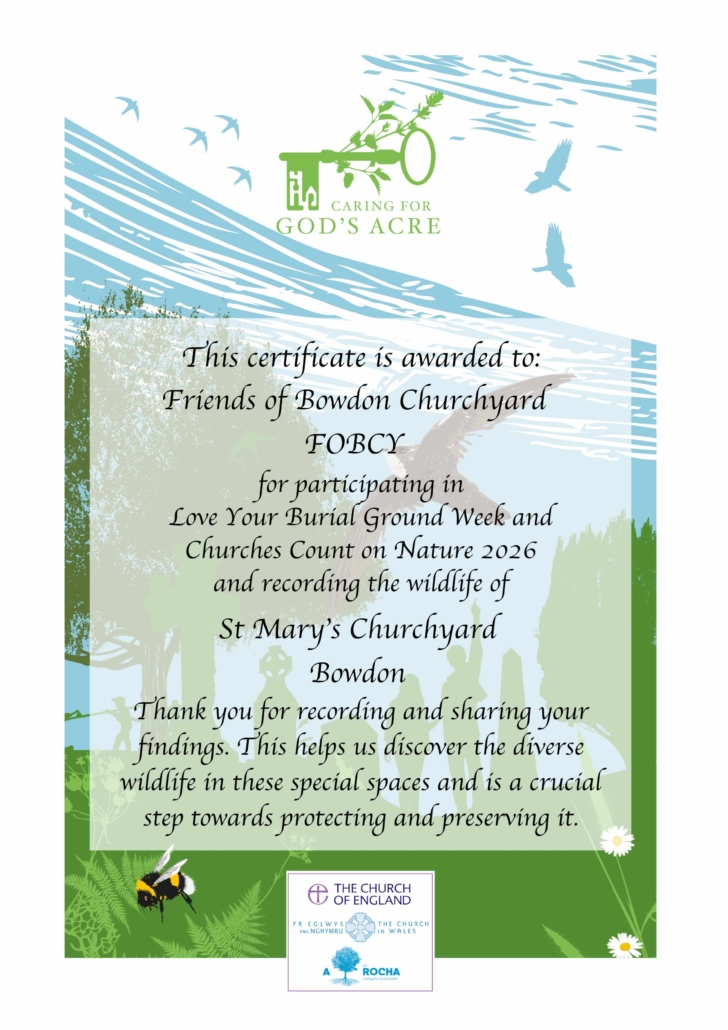
We also do surveys of birds, butterflies, plants and wildflowers on an annual basis.
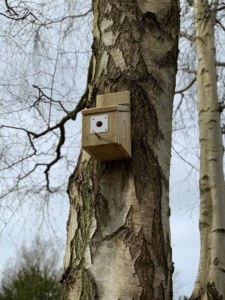
When you visit the churchyard you will hopefully spot that we have numbered bird boxes.
These bird boxes are made by The Chapel In The Fields and there are different entrance hole sizes to attract different species of birds. All bird boxes are numbered so that we can keep a record of who has donated them and whether we have been able to attract various birds that inhabit the locale. Check out the table below to see how successful we have been.
Thank you to the following ‘Bird Box’ sponsors
| Nest Box | Type | Doner | Sept 2022 | Sept 2023 | Oct 2024 |
| In 2021 Nest boxes were added to the Churchyard | 1st inspection Nest/condition | 2nd inspection Nest/Condition | 3rd inspection Nest/Condition | ||
| 1 | 25mm Blue & Coal Tit | Christine Weekes | Wet inside | Dry inside | Dry inside |
| 2 | 25mm Blue & Coal Tit | David Weekes (in memory of Bryan Weekes) | Wet inside | Dry inside | Dry inside |
| 3 | 32mm House/Tree Sparrow, Great Tit ,Pied Flycatcher & Nuthatch | Tammy Reeves | Dry inside | Dry inside | Dry inside |
| 4 | 32mm House/Tree Sparrow, Great Tit ,Pied Flycatcher & Nuthatch | Tammy Reeves | Dry inside | Dry inside | Dry inside |
| 5 | 28mm Blue/Coal/Marsh/Great Tit & tree Sparrow | Robert Redford | With nest – 2 unhatched eggs Dry inside | Dry inside | Dry inside |
| 6 | 28mm Blue/Coal/Marsh/Great Tit & tree Sparrow | Sue Redford | Dry inside | Dry inside | Dry inside |
| 7 | 25mm Blue & Coal Tit | Tim & Jenny Borthwick (in memory of Jennifer Borthwick) | Wet inside | Dry inside | Dry inside |
| 8 | 28mm Blue/Coal/Marsh/Great Tit & tree Sparrow | Richard Abbott | With nest Dry inside | With nest and 2 unhatched eggs (blue tits) | abandoned nest with 8 eggs small and white. Dry inside |
| 9 | 32mm House/Tree Sparrow, Great Tit ,Pied Flycatcher & Nuthatch | Clive, Philippa & Eve Goodall | Dry inside | Dry inside | Dry inside |
| 10 | 25mm Blue & Coal Tit | Ken & Joanna Williams | Wet inside (Moved position) | With nest Successfully hatched (blue tits).Dry inside | Nest with 2 dead chicks in it. Dry inside |
| 11 | 25mm Blue & Coal Tit | Samantha Simons | With nest Dry inside | Dry inside | Nest with 4 dead chicks in it. Dry inside |
| 12 | 25mm Blue & Coal Tit | Tracy Taylor (in remembrance of Brenda Buffet nee Williams 1937 – 2020) | With nest Dry inside | Dry inside | Dry inside |
| 13 | 28mm Blue/Coal/Marsh/Great Tit & tree Sparrow | Hilary Edwards | With nest Dry inside | Started building a nest. Dry inside | Dry inside |
| 14 | 32mm House/Tree Sparrow, Great Tit ,Pied Flycatcher & Nuthatch | Sue & Anna Duncan | Dry inside | With nest and 1 unhatched egg (blue tit) | Dry inside |
Going Wild with Wildflowers
Download Tony’s Guidance
Tony Cadman is a hugely experienced gardener by profession as well as a Friend of Bowdon Churchyard. Tony has been kind enough to give us the benefit of his invaluable knowledge of planting wildflowers:
| 1 | Choose any mixed variety of seeds |
| 2 | Prepare the ground in advance as follows: – |
| Remove any leaves, rake the ground to give a loose surface with soil visible. | |
| If this isn’t possible then sow the seeds and cover with a thin layer of soil/compost. | |
| 3 | The seeds can be soaked overnight, prior to sowing, in warm tap water (this helps them to germinate) if you wish. |
| 4 | Seeds can be sown the first 2 weeks of April. |
| 5 | Scatter the seeds so they just cover the ground, don’t put them in clumps. |
| 6 | When the seeds have been scattered either on to the raked ground or after covering the seeds with soil/compost, tamp the area with the rake or your feet making the ground solid. |
| 7 | Water them using a watering can. |
Then watch and wait for them show themselves, they could be showing by the end of April.